
Fragmented systems. Unclear readiness.

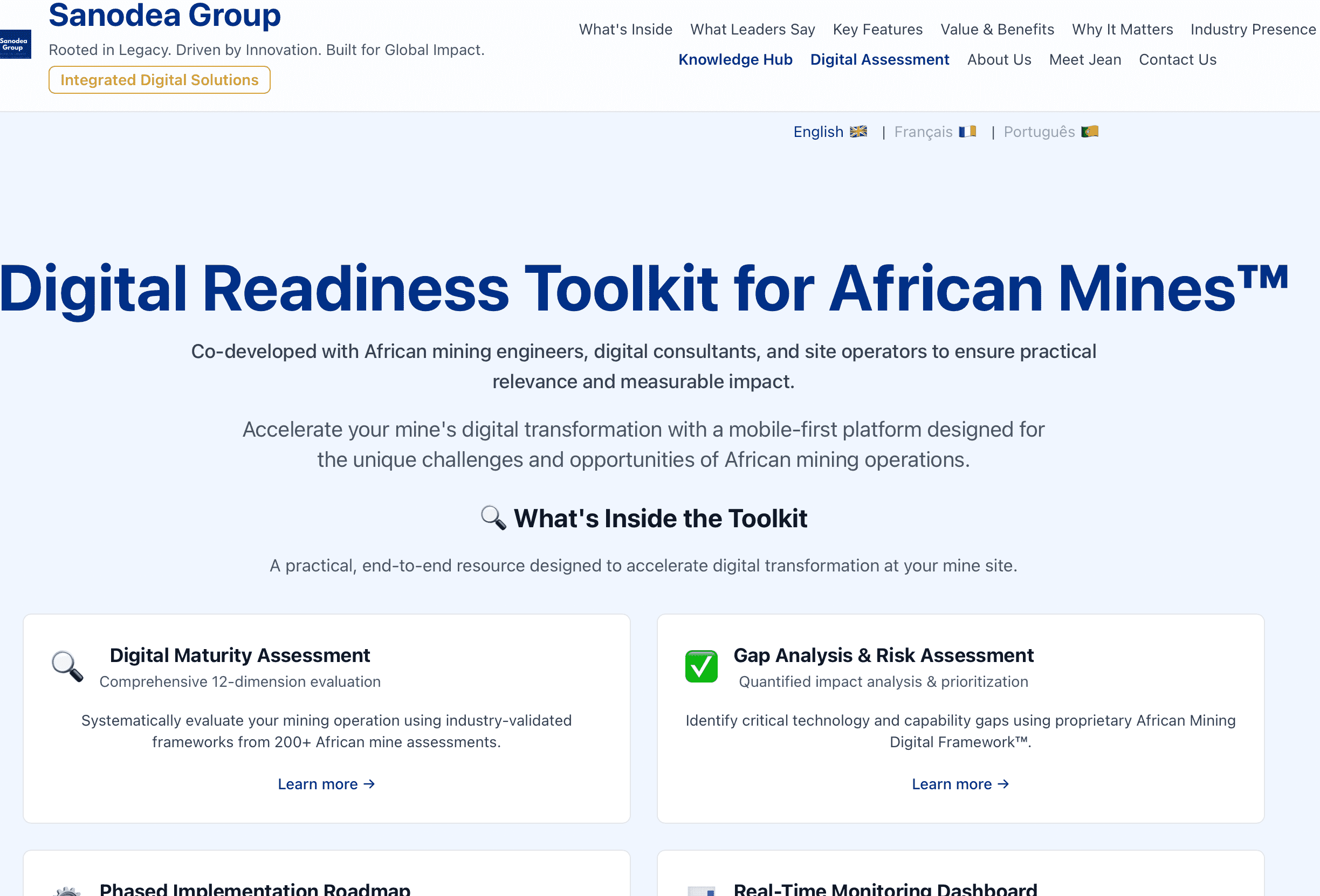
Digital Readiness Toolkit™ is Sanodea’s structured system capability platform—designed to assess operational, digital, and data readiness ahead of execution across complex, asset-intensive environments.

Built on three decades of executive leadership across mining, commodities, governance, and enterprise transformation, it evaluates system architecture, integration, and data integrity within a single, unified assessment framework.

Most organisations are not constrained by strategy.
They are constrained by systems that are not aligned to execute it.

Operational platforms are fragmented.
Data environments are inconsistent.
Integration across systems is incomplete.

These constraints are rarely visible upfront—but they define execution risk.

Digital Readiness Toolkit™ identifies these gaps, quantifies their impact, and defines the actions required to align systems with execution demands—ensuring that strategy is supported, execution is enabled, and performance is not compromised at the point of delivery.

Execution Requires System-Level Readiness

Participation in complex, asset-intensive environments is not constrained by opportunity.

It is constrained by the ability of systems, infrastructure, and data environments to support execution at scale.

In most cases, strategy is defined and risk is understood—but the systems required to execute remain fragmented.

Operational platforms operate in isolation.
Digital infrastructure lacks integration.
Data environments are inconsistent, delayed, or incomplete.

Execution pathways are defined—but not supported by the systems required to deliver them.

This disconnect creates exposure.

Capital is deployed against unverified system readiness.

Operational capability is assumed, rather than validated through integrated platforms. Decisions are made without a consistent, real-time view of performance.

These constraints are not always visible at the outset.

They emerge during execution—through system failure, delayed reporting, process breakdowns, and the inability to translate intent into controlled delivery.

As complexity increases across operations, stakeholders, and technology environments, fragmented systems compound risk—reducing visibility, limiting control, and constraining execution performance.

Without a structured assessment of system readiness, integration, and data integrity, organisations operate with partial capability—where execution is attempted without the infrastructure required to support it.

The result is not failure.

It is underperformance—driven by systems that are not aligned to execute.

The Cost of Fragmented System Readiness

Where systems, data, and operational platforms are not structurally aligned, execution risk is embedded before delivery even begins.


  • 40–60%
    of operational and management decisions are made without fully integrated visibility across systems, data environments, and execution layers

  • 20–40%
    increase in non-productive capital deployment driven by disconnected systems, incomplete data flows, and misaligned operational platforms

  • 15–30%
    extension in execution timelines caused by system fragmentation, manual workarounds, and lack of integrated process alignment

  • 10–25%
    gap between defined execution pathways and actual delivery—driven by inconsistent data, limited system capability, and integration failure

These are not system inefficiencies.
They are structural failures in how systems are designed, integrated, and aligned to support execution.

Digital Readiness Toolkit™

Structured Systems for Execution Readiness.

Digital Readiness Toolkit™ is Sanodea’s structured system capability platform—designed to assess, validate, and align operational, digital, and data environments for execution across complex, asset-intensive operations.

It operates as an integrated assessment framework—bringing together system diagnostics, infrastructure evaluation, and data integrity analysis into a single, unified view of execution readiness.

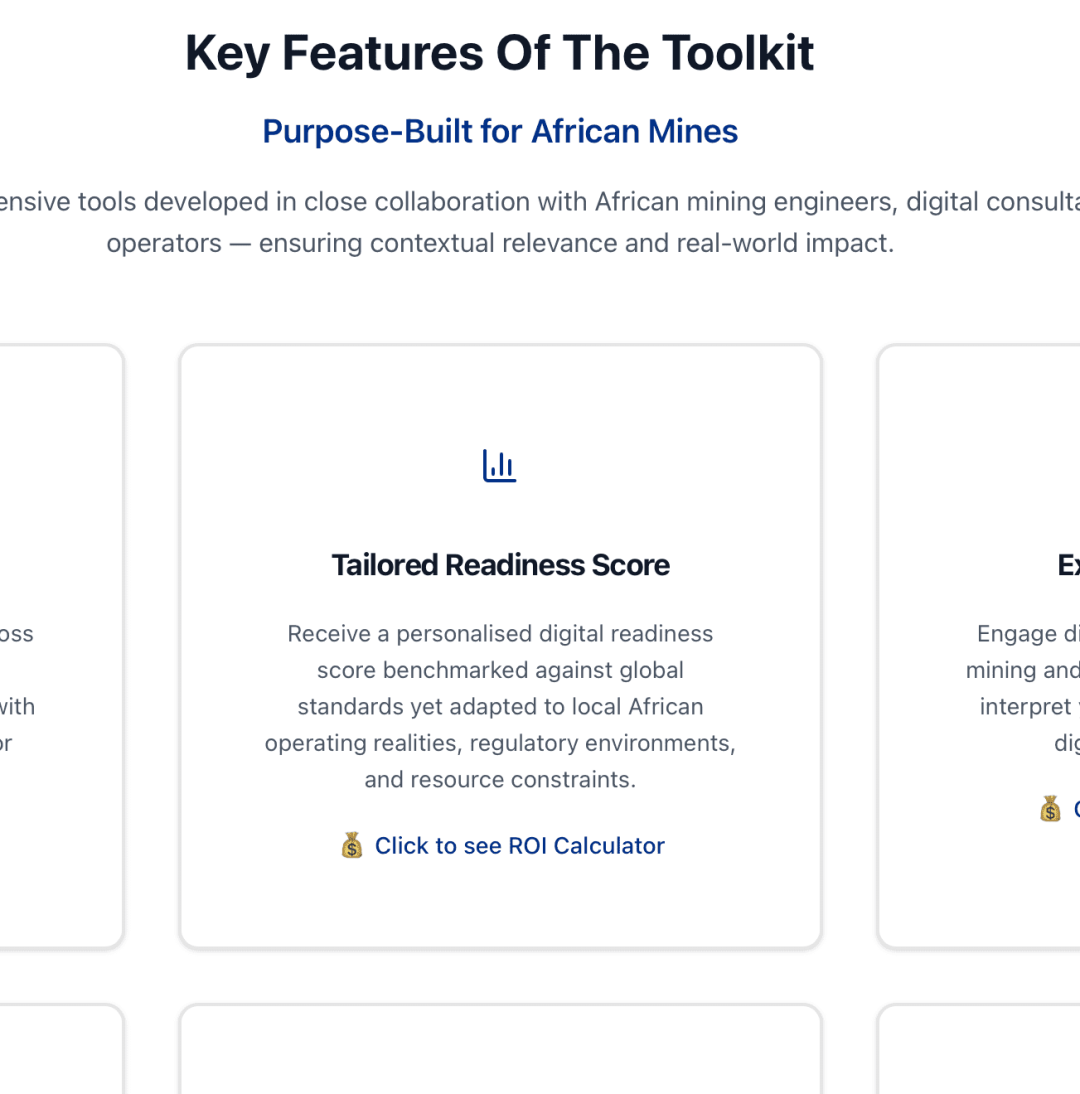
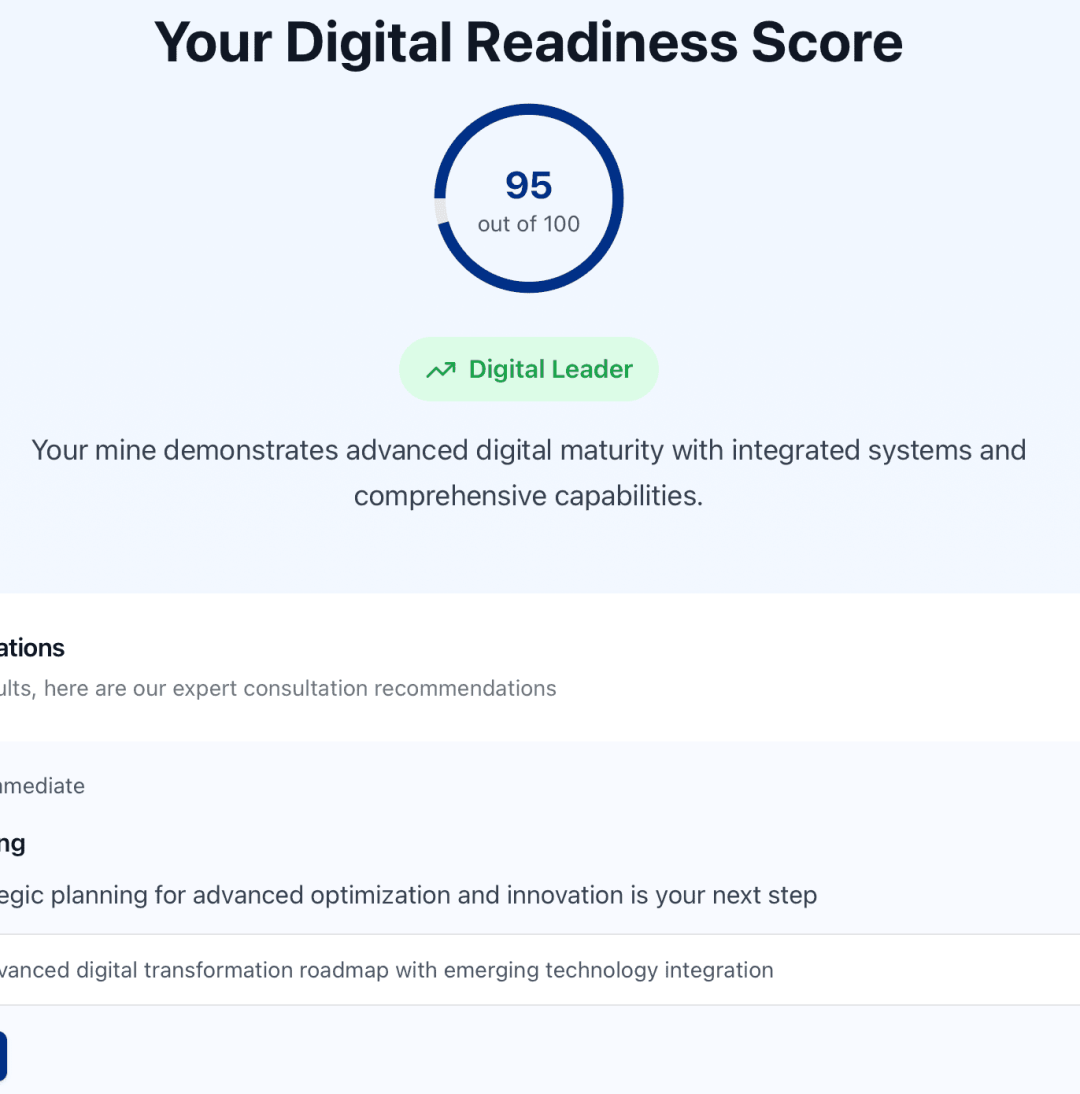
At its core, the platform evaluates system capability across key dimensions, including operational platforms, digital architecture, data environments, integration maturity, and scalability—providing a clear, evidence-based view of where constraints exist and how they impact execution performance.

This is reinforced by a comprehensive system analysis layer that examines platform connectivity, process alignment, data flow consistency, and infrastructure limitations—delivering a structured view of system readiness aligned to real-world operating conditions.

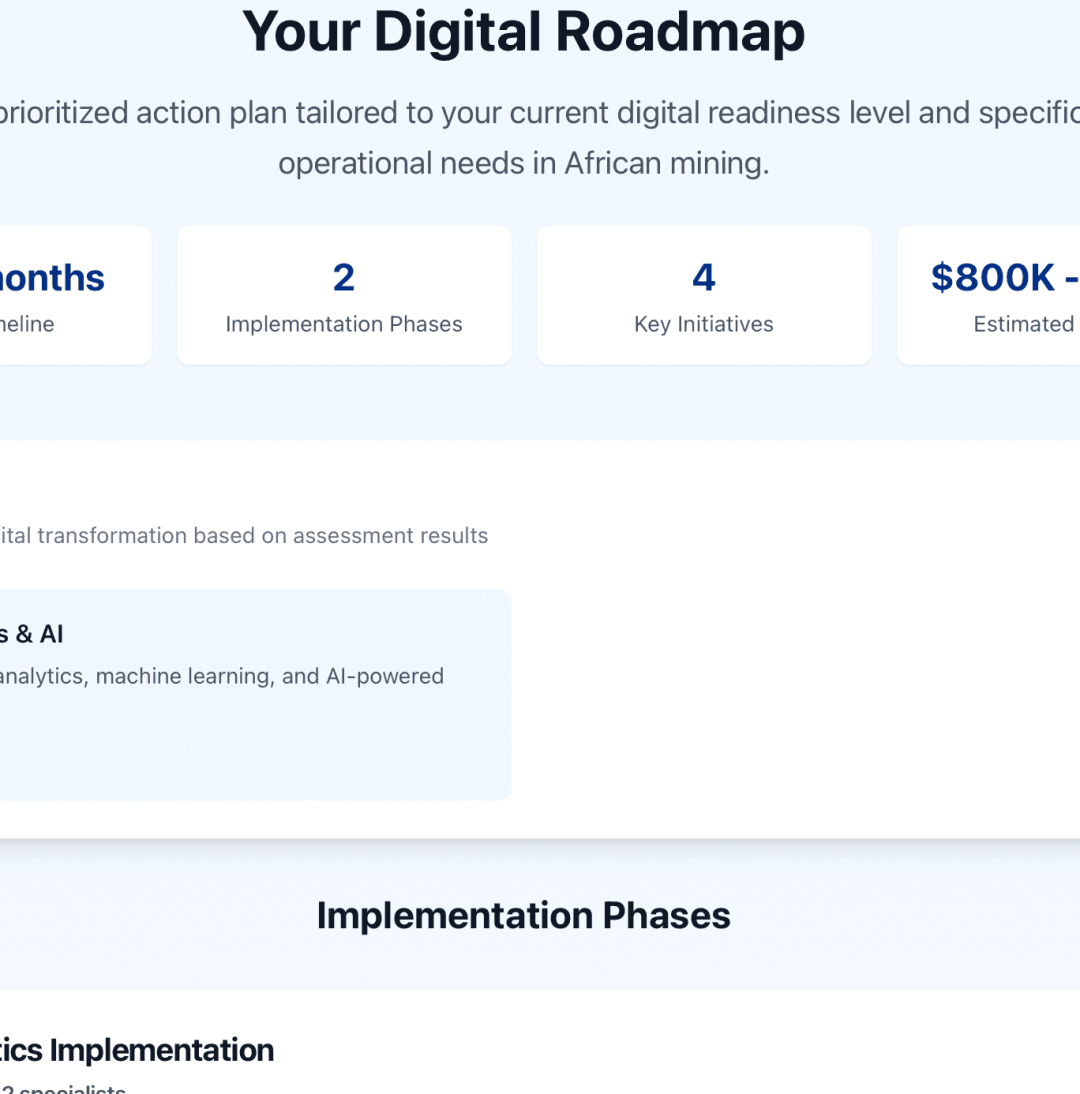
Building on this foundation, Digital Readiness Toolkit™ defines a structured system alignment pathway—translating assessment insight into clear, prioritised actions required to enable execution.

This includes defined system interventions, integration priorities, data alignment requirements, and implementation sequencing—ensuring that systems are not only assessed, but aligned to support delivery.

The platform is further supported by an institutional-grade framework layer—providing access to system architecture models, integration frameworks, data governance structures, and operational alignment tools designed for complex environments.

This is not system advisory in isolation.

It is a structured platform that aligns systems, data, and operations—ensuring that execution is supported, decisions are informed, and performance is not constrained by system limitations.

A Fully Integrated System Capability Platform


Digital Readiness Toolkit™ is not a collection of system assessments.

It is a fully integrated system capability platform—purpose-built to evaluate, validate, and align operational, digital, and data environments for execution across complex, asset-intensive operations.

Developed from decades of executive leadership across African and global operations, the platform combines system diagnostics, integration assessment frameworks, and data integrity analysis into a single, cohesive architecture.

Each component is designed to operate independently—yet integrated to deliver a complete, end-to-end pathway from system readiness to execution capability.

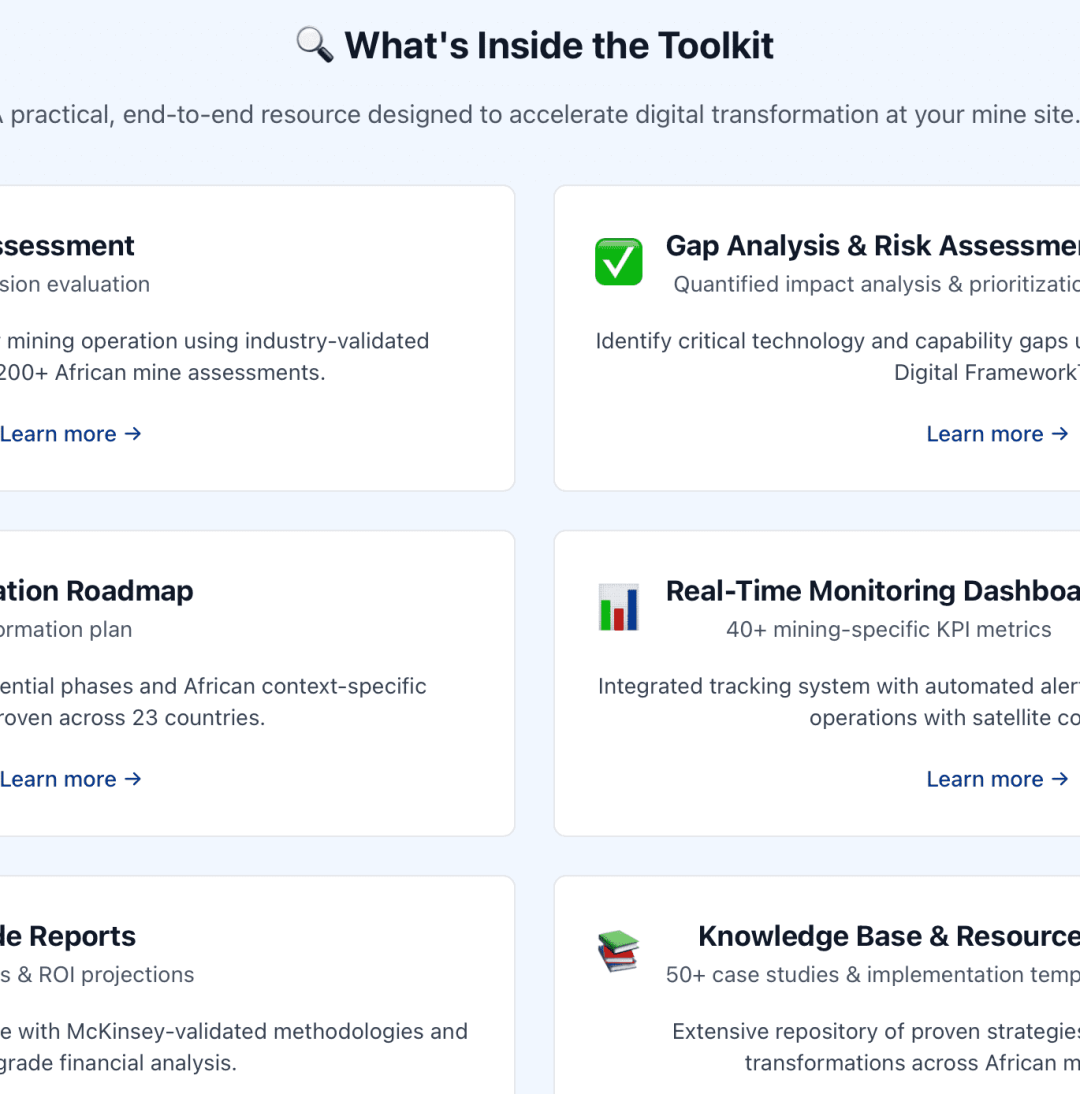
🔷 Operational Systems Assessment Layer

At the foundation of Digital Readiness Toolkit™ is a structured system assessment layer that evaluates operational platforms, workflows, and process alignment across the organisation.

This includes core production systems, planning tools, cost management platforms, and performance tracking environments—providing a clear view of how systems support (or constrain) execution.

This is not a surface-level review.

It is a structured, system-level diagnostic that identifies fragmentation, inefficiencies, and misalignment across operational workflows and platforms.

The outcome is a precise understanding of system capability—and where constraints exist within execution environments.


🔷 Digital Infrastructure & Integration Engine

Building on the assessment layer, the platform incorporates a comprehensive infrastructure and integration engine—designed to evaluate how systems connect, communicate, and scale.

It examines system architecture, platform compatibility, integration maturity, and data flow between operational and digital environments.

Rather than assessing systems in isolation, the platform maps how they operate as a connected ecosystem—identifying breakdowns in communication, duplication of processes, and limitations in scalability.

This ensures that system environments are not only functional—but aligned, integrated, and capable of supporting execution at scale.


🔷 Data Integrity & Visibility Framework

Digital Readiness Toolkit™ establishes a structured framework for evaluating data quality, consistency, and accessibility across systems.

It assesses how data is captured, processed, shared, and used—ensuring that decision-making is supported by reliable, real-time information.

This includes identifying gaps in data integrity, inconsistencies across reporting environments, and delays in information flow that limit visibility.

The focus is not data collection.

It is ensuring that data environments are aligned to support accurate, timely, and actionable decision-making.


🔷 System Alignment & Execution Enablement Pathway

The platform translates system assessment and integration insight into a structured alignment pathway—defining the actions required to enable execution capability.

This includes prioritised system interventions, integration sequencing, data alignment requirements, and infrastructure upgrades aligned to operational demands.

The objective is not system improvement in isolation.

It is ensuring that systems are aligned to support execution—where platforms, processes, and data environments operate as a unified system.


🔷 Institutional Framework & System Architecture Layer

Supporting the platform is an institutional-grade framework layer—providing structured models, templates, and system architecture tools designed for complex operating environments.

This includes:

  • System integration frameworks
  • Data governance models
  • Operational alignment structures
  • Digital architecture templates
  • Platform scalability models

These are not generic tools.

They are purpose-built instruments designed to bring structure, consistency, and discipline to system design, integration, and execution enablement.


🔷 Advisory Integration & Technical Oversight

Digital Readiness Toolkit™ is reinforced through direct access to technical and operational advisory—ensuring that system assessments and alignment pathways are grounded in real-world execution environments.

This enables organisations to validate system decisions, align technical architecture with operational requirements, and ensure that implementation pathways are practical and achievable.

The integration of expertise with structured system intelligence ensures that outputs are not only technically sound—but operationally executable.

From System Uncertainty to Execution Capability


Digital Readiness Toolkit™ transforms fragmented systems, disconnected platforms, and inconsistent data environments into a unified, execution-ready system—providing the clarity required to deliver performance with control.

It is applied where operational platforms, digital infrastructure, and data environments must be aligned from the outset—ensuring that systems are validated, integration is established, and execution is supported before delivery begins.

By establishing a complete view of system readiness, integration maturity, and data integrity, Digital Readiness Toolkit™ reduces execution risk, strengthens operational visibility, and prevents performance breakdown before it occurs.

The result is not improved systems.

It is execution capability—where platforms are aligned, data is reliable, and performance is delivered with consistency from day one.

Measurable Outcomes — From System Insight to Execution Capability


Digital Readiness Toolkit™ is designed to deliver structured, measurable outcomes—ensuring that systems, data environments, and operational platforms are aligned to support execution before delivery begins.

The platform provides clarity at the point where execution risk is defined—enabling organisations to move forward with validated system readiness, integrated environments, and the capability to deliver with precision and control.

System readiness established
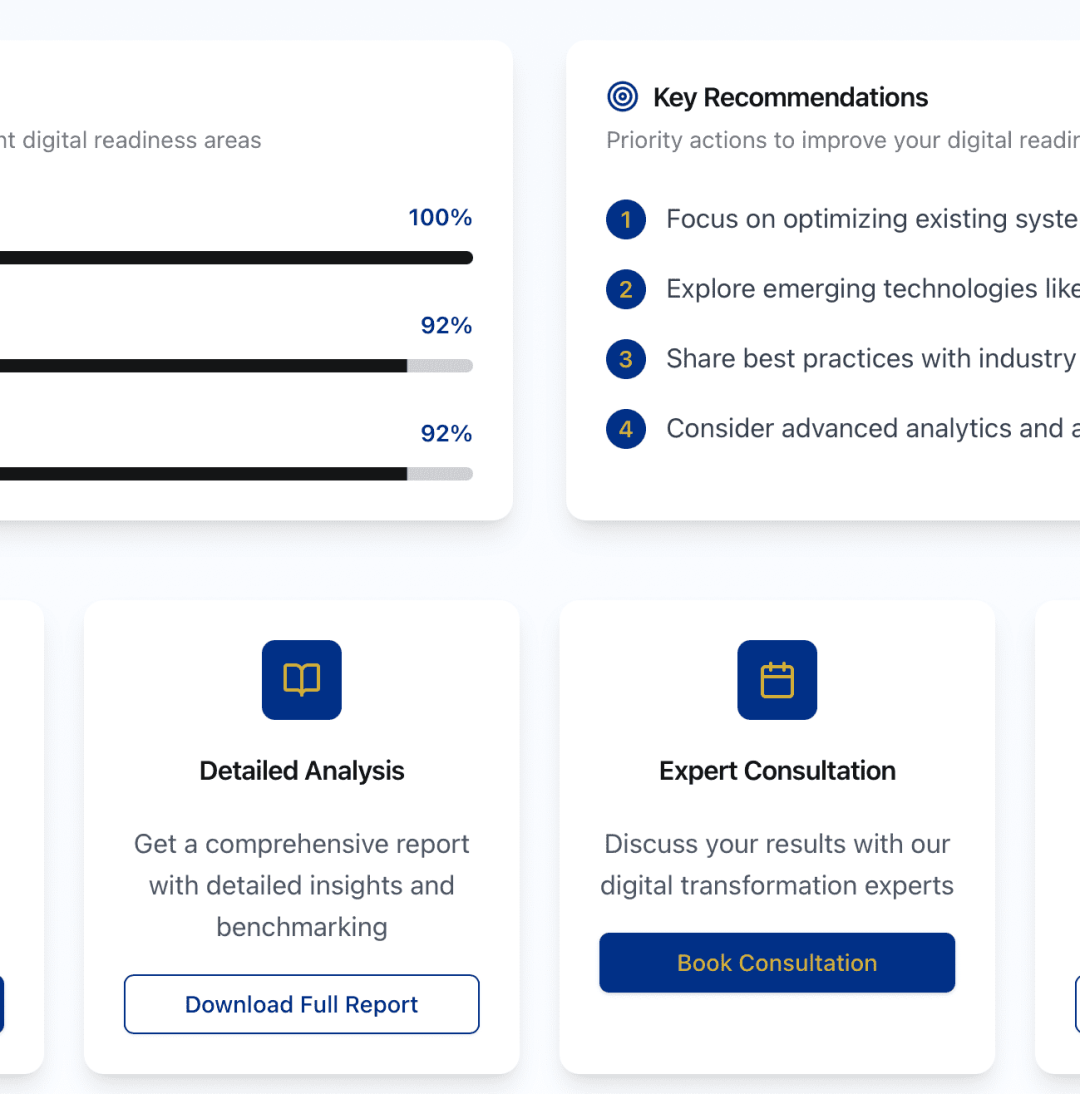
Digital Readiness Toolkit™ defines a clear, structured view of system readiness—translating operational requirements into a validated execution environment across platforms, infrastructure, and data layers. Through integrated system diagnostics and alignment analysis, the platform evaluates whether existing environments are capable of supporting execution at scale—connecting operational workflows, digital systems, and data structures into a unified readiness framework. This ensures that execution does not begin on assumption, but on validated system capability—where platforms are aligned, dependencies are understood, and delivery can proceed with clarity, coordination, and control.
System risk identified & structured
The platform provides a comprehensive, multi-dimensional view of system-level risk—assessing integration maturity, data integrity, infrastructure limitations, and platform dependencies across environments. By structuring system risk into defined categories, Digital Readiness Toolkit™ enables organisations to move from fragmented visibility to a coherent, risk-aware execution environment—where system exposure is clearly understood and proactively managed. This ensures that execution is not compromised by hidden system constraints—strengthening resilience and reducing the likelihood of disruption during delivery.
System integrity strengthened
Digital Readiness Toolkit™ consolidates fragmented systems, workflows, and data environments into a single, aligned operational structure—ensuring consistency across execution layers. By identifying and resolving disconnects between platforms, processes, and data flows, the platform establishes a coherent system environment where information moves reliably and operations are synchronised. This strengthens execution integrity at the system level—reducing misalignment, eliminating duplication, and ensuring that performance is supported by stable, integrated infrastructure.
Time to execution accelerated
By structuring system readiness upfront, Digital Readiness Toolkit™ reduces delays caused by integration failures, manual workarounds, and incomplete system alignment. Organisations move from readiness to execution faster—supported by systems that are prepared to deliver—ensuring that timelines are compressed without compromising system stability or operational alignment. This enables a controlled transition into execution—where delivery is not delayed by system constraints, but enabled by aligned infrastructure.

Operational capability optimised
Digital Readiness Toolkit™ ensures that operational capability is supported by systems that are aligned to execution requirements—strengthening performance across platforms, data environments, and workflows. By aligning system architecture with operational demands, the platform improves visibility, enhances decision-making, and ensures that performance is driven by systems that are capable of sustaining execution at scale. This transforms operational capability from assumed capacity into validated, system-supported performance. This reduces exposure to premature or misaligned investment decisions—improving capital efficiency and increasing the probability of achieving targeted returns in complex operating environments.
Execution capability established
Through structured diagnostics and system alignment, Digital Readiness Toolkit™ defines a clear, prioritised pathway to execution capability—linking system readiness directly to delivery outcomes. This ensures that execution is not constrained by infrastructure limitations, data inconsistencies, or platform fragmentation—enabling organisations to operate with control, reliability, and measurable performance. The result is not improved systems. It is execution capability—where systems are aligned, data is trusted, and delivery is achieved with consistency from the outset.

Where system readiness drives measurable value

Digital Readiness Toolkit™ establishes the conditions required for execution capability—where systems are aligned, data is reliable, and integration is defined before delivery begins.

It enables organisations to validate system readiness, align operational platforms with execution requirements, and enter delivery environments with clarity, consistency, and control.

By removing fragmentation across systems, infrastructure, and data environments, Digital Readiness Toolkit™ eliminates avoidable execution risk, reduces system-driven failure, and ensures that performance is not constrained by underlying platform limitations.

The result is not improved systems.

It is execution capability—where platforms are aligned, data is trusted, and measurable performance is delivered from the outset.


Systems Structured. Data Aligned. Execution Enabled.
Digital Readiness Toolkit™ establishes a controlled system environment—where operational platforms are structured, data environments are aligned across all relevant layers, and execution requirements are defined before delivery begins. This ensures that systems do not operate in isolation, but as part of an integrated framework—providing a complete, consistent view of capability, dependencies, and execution feasibility. The outcome is clarity at the point where systems transition into delivery—ensuring that execution begins with aligned platforms, reliable data, and coordinated operational support.

Systems Validated. Risk Mitigated. Execution Supported.
Digital Readiness Toolkit™ aligns system capability with execution demands through a comprehensive assessment of infrastructure, integration maturity, and data integrity across environments. By validating systems against real-world operating conditions, the platform identifies limitations, resolves fragmentation, and ensures that execution is supported by platforms that are fit for purpose. This reduces exposure to system-driven disruption—improving reliability, strengthening operational continuity, and increasing the probability of consistent performance across complex environments.

Execution Enabled. Performance Controlled. Value Delivered.
Digital Readiness Toolkit™ converts system readiness into a fully structured, execution-capable environment—where platforms, data flows, and workflows are aligned to support measurable outcomes. This eliminates the gap between defined execution pathways and actual delivery—ensuring that performance is controlled from the outset. The result is execution capability, stable system performance, and the consistent delivery of measurable value—enabled by systems that are aligned, integrated, and designed to operate at scale.