
Execution delivered.
Sanodea Case Studies reflect how execution is delivered in complex, asset-intensive environments—where performance gaps are identified, alignment is restored, and measurable value is recovered.
In operational environments, underperformance is rarely the result of a single failure.
It is the consequence of fragmentation, misalignment, and breakdowns in execution that are not always visible through reporting.
Value is lost incrementally—across decisions, processes, and systems.
Sanodea operates directly within this reality.
We work alongside leadership teams and operational environments to diagnose where value is constrained, implement structured interventions, and restore execution discipline across the organisation.
Each case study reflects a real engagement—demonstrating how operational, commercial, and system-level alignment is achieved, and how measurable value is recovered through disciplined execution.
These are not theoretical examples.
They are execution-led outcomes—grounded in real conditions, and focused on delivering sustained performance improvement.
Execution Delivered. Value Recovered. Results That Speak.
Sanodea’s case studies reflect over 30 years of executive leadership across complex, asset-intensive, commodities, and industrial environments—where scale, capital, and risk intersect.
Each engagement represents real execution—spanning operational transformation, capital structuring, and transaction delivery under live operating conditions and within complex stakeholder environments.
This is not theoretical.
It is execution—delivered at scale, under pressure, and measured in outcomes.
What follows demonstrates how underperformance is addressed, assets are repositioned, and measurable value is recovered through structured intervention and disciplined execution.
Strategic asset repositioning & value recovery
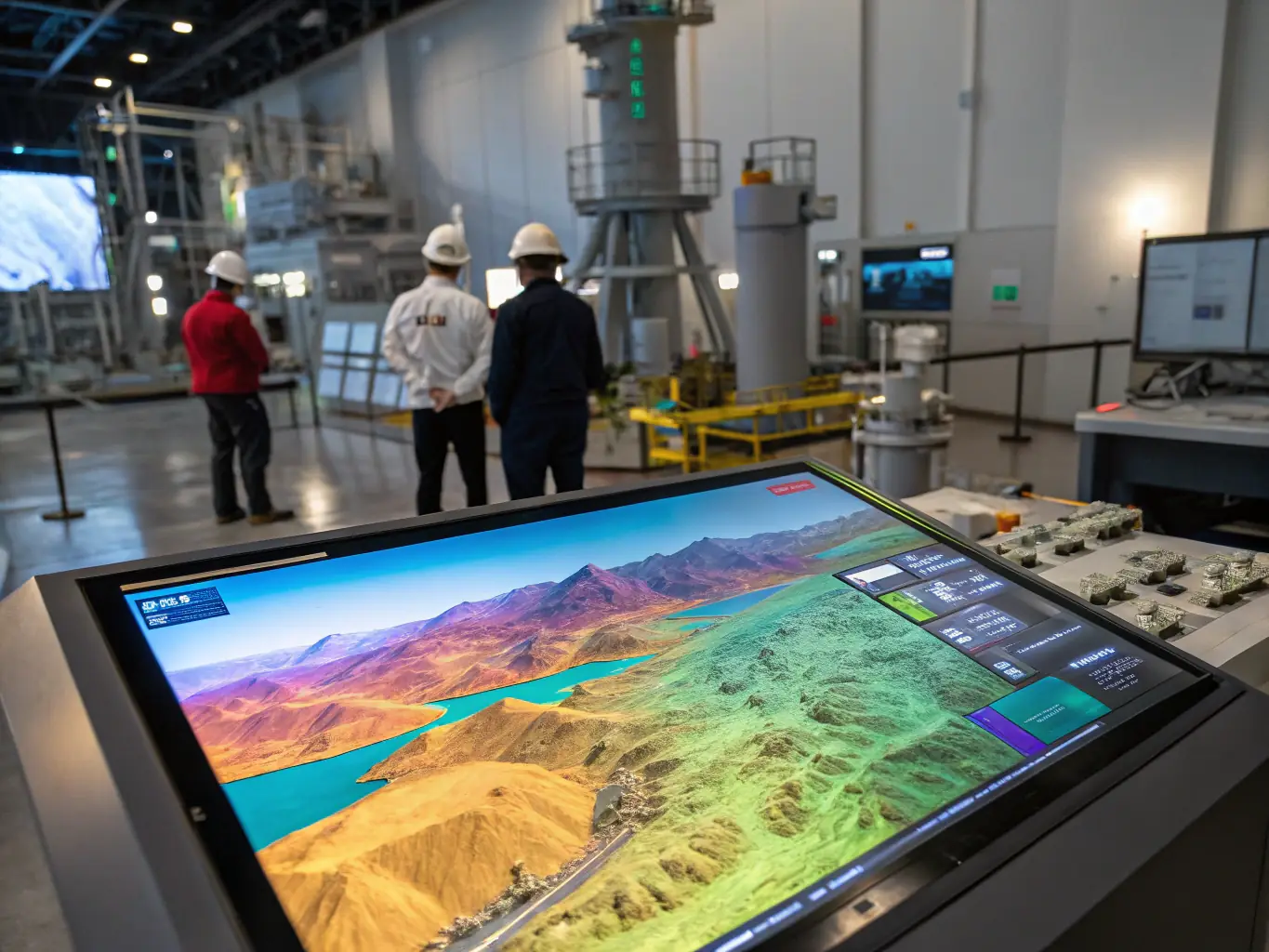


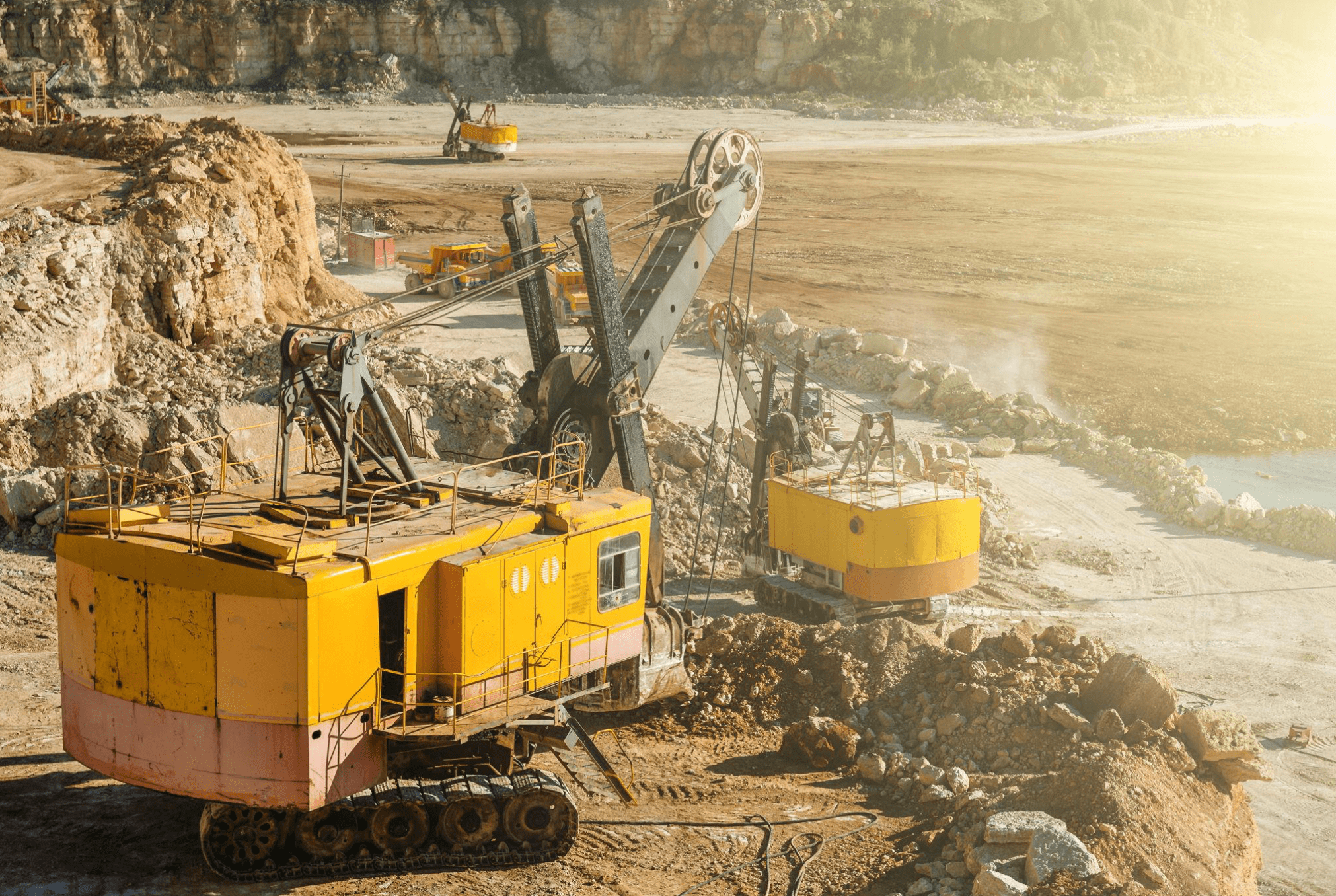
West African Gold Mining Operation
Context
The operation formed part of a mature, multi-asset gold mining portfolio in West Africa, operating within a complex environment characterised by declining ore grades, increasing cost pressures, and heightened stakeholder sensitivity across regulatory, community, and joint venture structures.
While the asset continued to produce, underlying performance trends indicated a structural decline. Operational inefficiencies were increasing, cost structures were becoming progressively uncompetitive, and capital allocation was no longer aligned to the asset’s lifecycle position.
At the same time, external market conditions—combined with evolving regulatory expectations and investor scrutiny—required a clear and disciplined approach to value realisation.
The Challenge
The asset was not failing—but it was underperforming in ways that were not immediately visible at a headline level.
Key challenges included:
- Fragmented alignment between operational performance and commercial objectives
- Escalating cost structures reducing margin resilience
- Lack of strategic clarity on whether to sustain, optimise, or exit the asset
- Complex stakeholder environment, requiring alignment across investors, partners, and government
- Capital inefficiency, with spend not directly linked to value creation
This created a widening gap between the asset’s current performance and its potential realisable value.
Without intervention, the likely outcome was a continued decline in performance and a materially reduced exit valuation.
Strategic Approach
A structured, execution-led approach was implemented—focused on repositioning the asset from an operational liability into a commercially optimised, transaction-ready opportunity.
This required integrating three critical dimensions:
1. Operational Repositioning
- Identification of performance leakage across production, cost, and planning cycles
- Implementation of targeted cost optimisation initiatives
- Realignment of operational priorities to support value preservation and improvement
- Establishment of disciplined performance tracking and accountability
2. Commercial & Capital Alignment
- Reframing the asset within a clear value realisation strategy
- Aligning operational outputs with commercial positioning
- Eliminating non-value-accretive capital expenditure
- Structuring financial performance to support transaction attractiveness
3. Stakeholder & Transaction Structuring
- Coordinating alignment across joint venture partners, investors, and regulatory bodies
- Managing sensitivities within a multi-stakeholder environment
- Structuring a clear, disciplined divestment pathway
- Leading the transaction process from positioning through execution
The approach ensured that operational improvements, commercial positioning, and transaction strategy were fully aligned—removing fragmentation across the value chain.
Execution
Execution was driven at both strategic and operational levels, ensuring that intervention translated into measurable outcomes.
Key execution elements included:
- Direct leadership across operational, financial, and strategic workstreams
- Integration of cross-functional teams to eliminate silos
- Real-time alignment between operational performance and transaction positioning
- Continuous stakeholder engagement to maintain alignment and momentum
- Tight governance and decision discipline throughout the process
This ensured that the asset was not only repositioned in theory—but transformed in practice.
Outcome
The intervention delivered a clear and measurable value realisation outcome:
- Successful execution of a $120M asset divestment transaction
- Significant value enhancement through cost optimisation and performance improvement prior to exit
- Improved capital efficiency and financial positioning, strengthening transaction attractiveness
- Full alignment across stakeholders, enabling a disciplined and controlled transaction process
Most notably, the asset was repositioned from a declining, underperforming operation into a structured, value-generating transaction—delivering a material uplift relative to underlying performance conditions.
Strategic Impact
This case demonstrates a critical principle in asset-intensive environments:
Value is rarely lost through a single failure.
It is lost through fragmentation, misalignment, and lack of execution discipline.
By addressing these structural gaps, it is possible to:
- Recover trapped value
- Improve operational and financial performance
- Execute transactions under significantly improved conditions
Key Takeaway
Effective asset repositioning requires more than operational improvement or financial restructuring in isolation.
It requires:
- Integrated execution across operations, commercial strategy, and capital structure
- Alignment across all stakeholders within complex environments
- Disciplined leadership from diagnosis through to transaction execution
When these elements are aligned, underperforming assets can be transformed into high-value outcomes—delivered through structured execution and clear strategic intent.
Operational turnaround & performance recovery
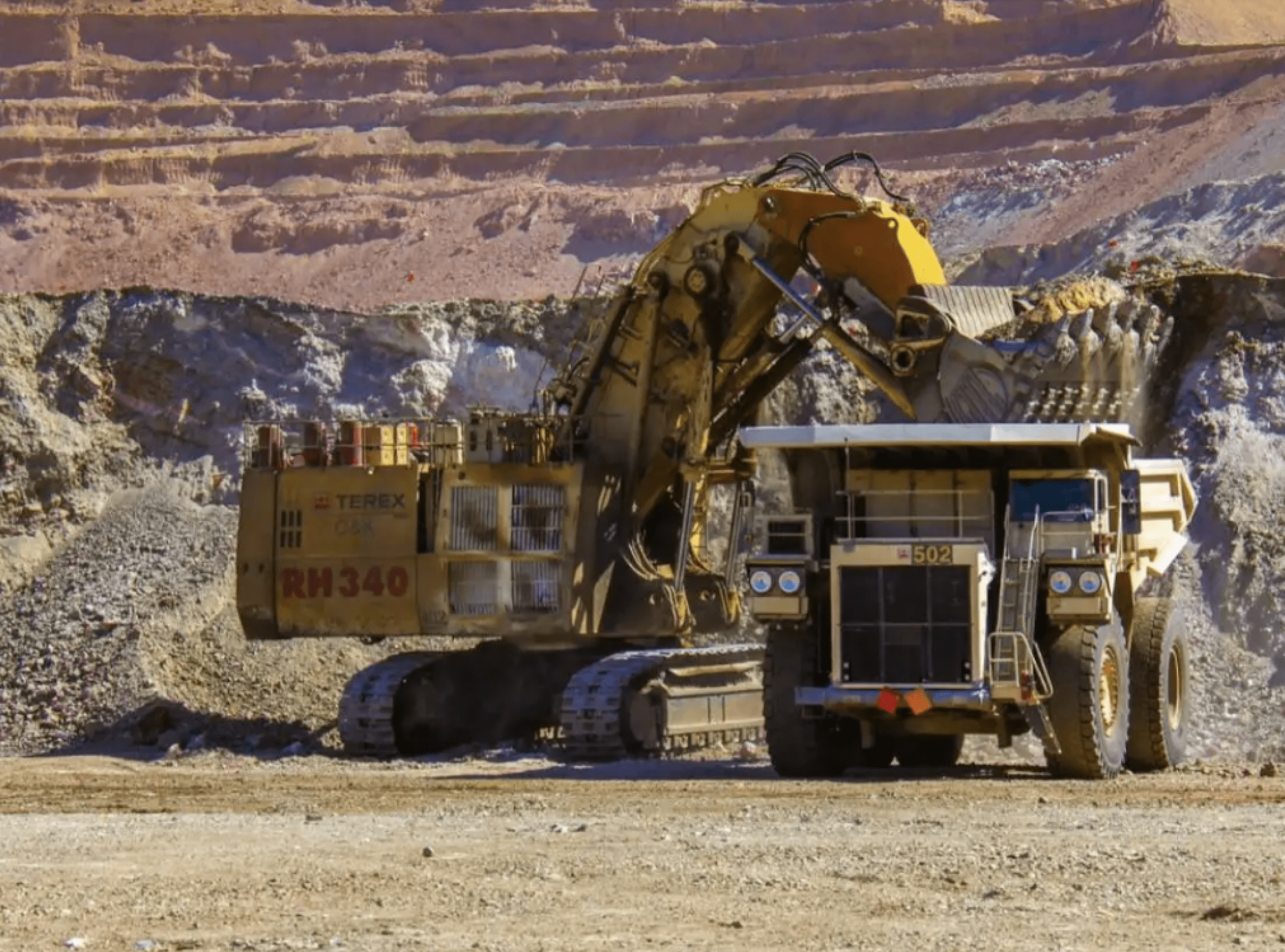
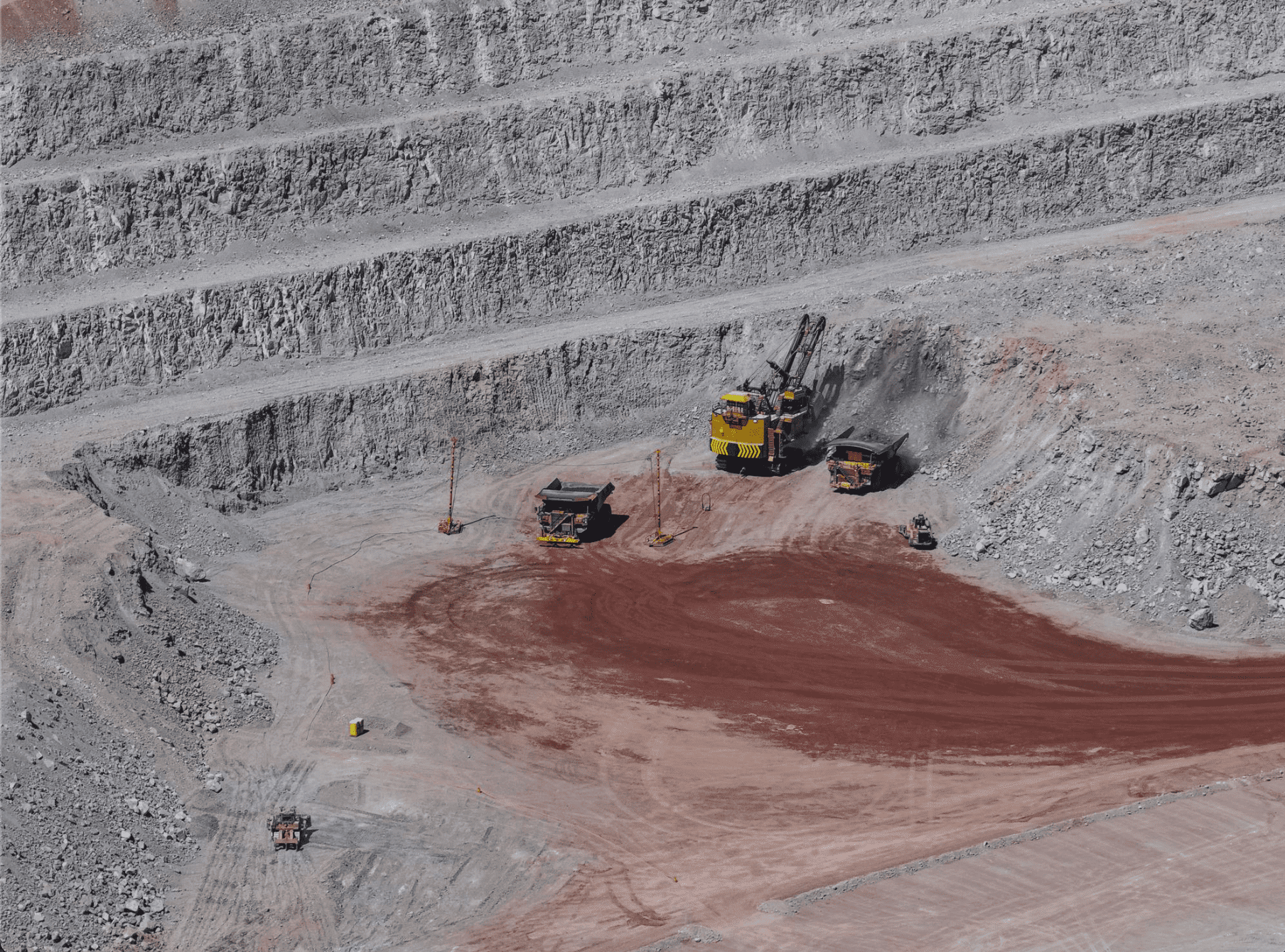
West African Gold Mining Operation
Context
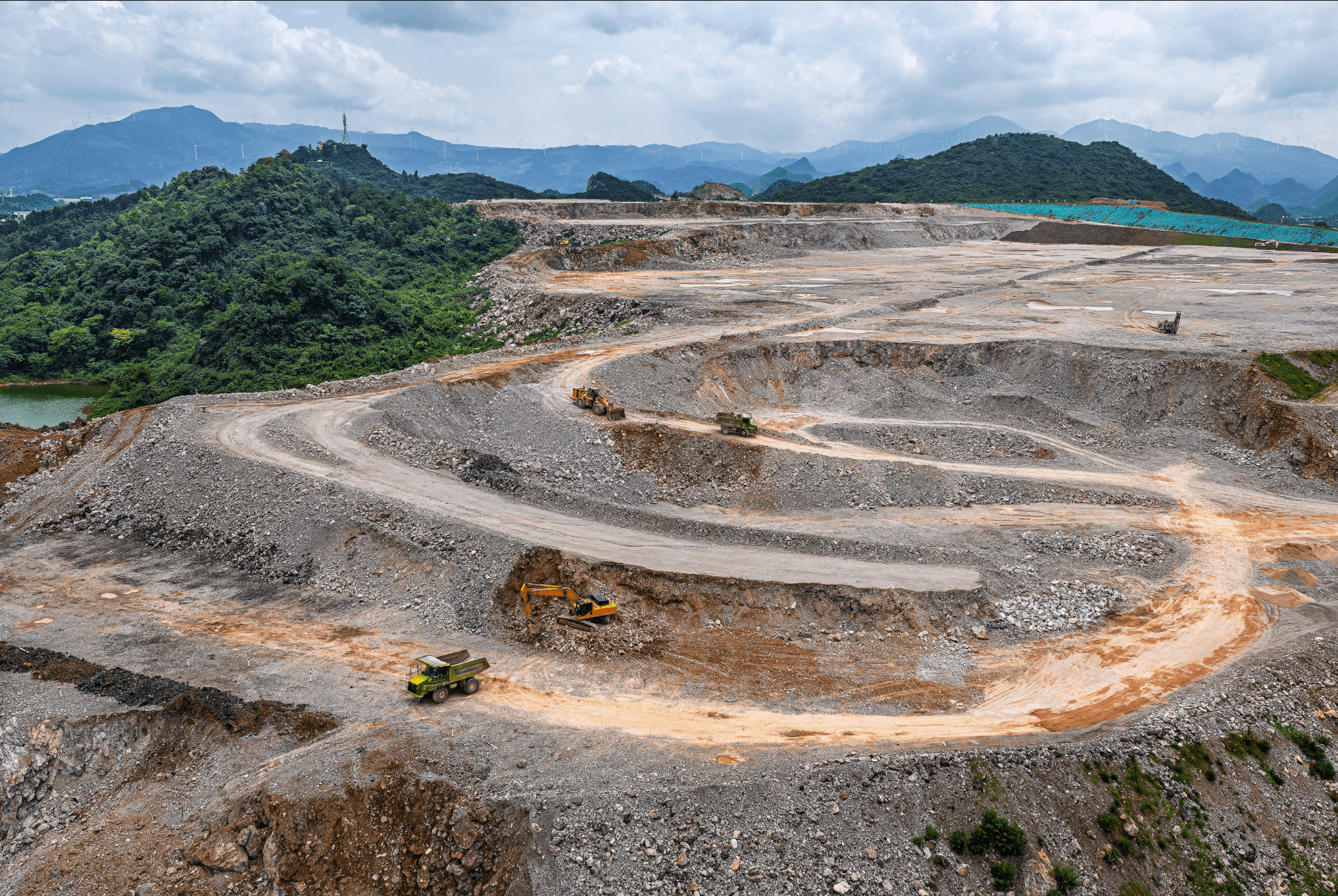
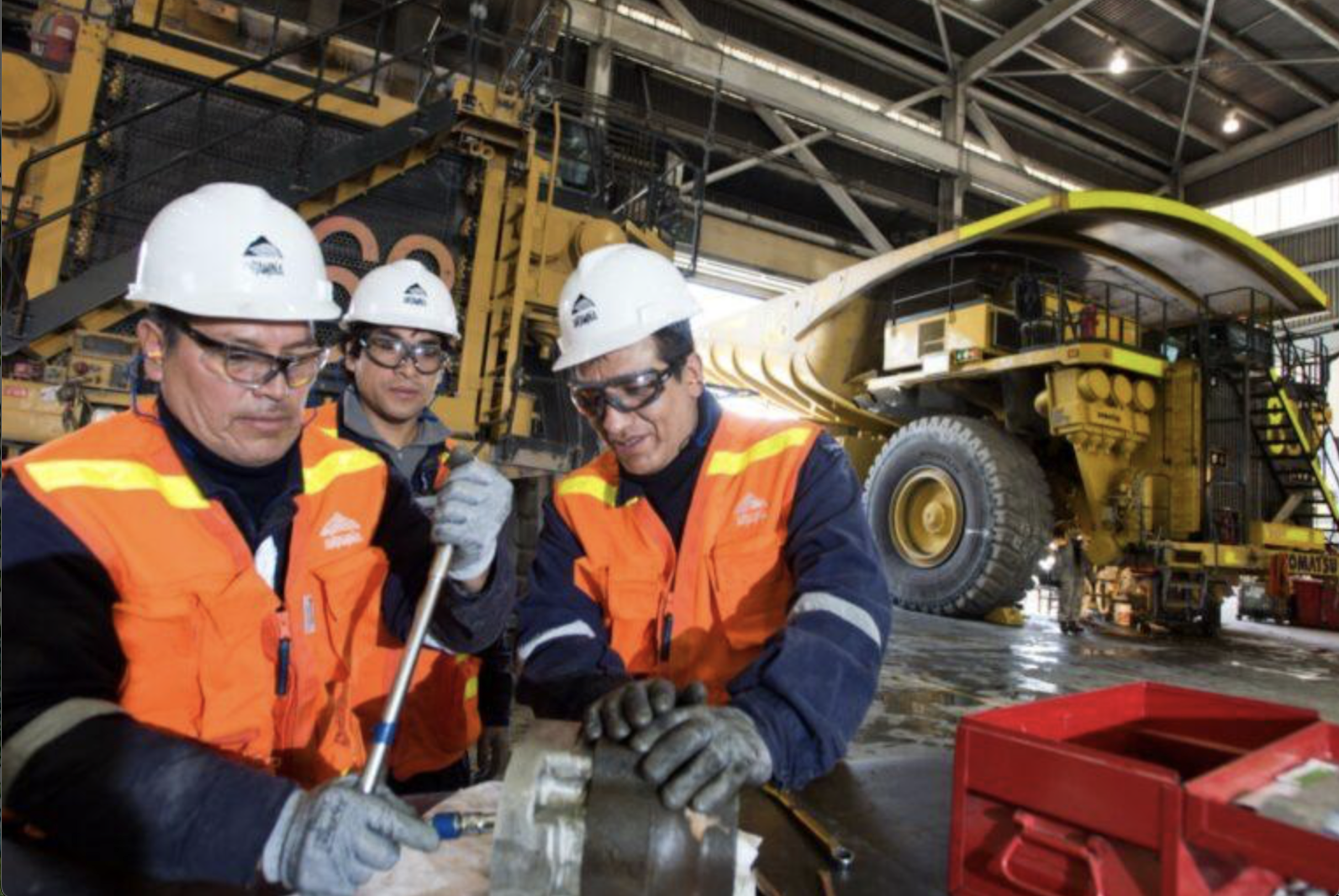
The operation was a high-cost, underperforming gold asset operating within a challenging West African environment, characterised by declining margins, operational inefficiencies, and increasing cost pressures.
Despite continued production, the asset had entered a structurally unsustainable position. Cost structures were significantly above industry benchmarks, operational planning lacked integration, and performance variability was increasing across production, supply chain, and financial management systems.
The operation was effectively value-destructive—requiring immediate and decisive intervention to restore viability.
The Challenge
The asset was operating at a loss, with a negative financial position of approximately $90M, driven by structural inefficiencies rather than isolated operational issues.
Key challenges included:
- Excessive All-In Sustaining Costs (AISC), well above sustainable thresholds
- Fragmented planning and execution, with limited integration across operational functions
- Inefficient supply chain and cost management structures
- Lack of real-time performance visibility, impacting decision-making quality
- Operational inconsistency, leading to unpredictable outputs and cost escalation
The underlying issue was not a single failure—it was systemic misalignment across operations, planning, and execution.
Without intervention, the asset faced continued financial decline and potential closure.
Strategic Approach
A comprehensive turnaround programme was implemented—focused on restoring operational discipline, integrating planning systems, and realigning cost structures to sustainable levels.
The approach centred on three critical pillars:
1. Operational Discipline & Performance Alignment
- Establishment of clear performance accountability across all operational areas
- Standardisation of processes to reduce variability and improve consistency
- Alignment of production, maintenance, and planning functions
2. Cost Optimisation & Supply Chain Integration
- Full review and restructuring of cost drivers across the operation
- Optimisation of procurement, inventory, and supply chain processes
- Elimination of non-value-accretive expenditure
3. Digital Integration & Decision Support
- Implementation of integrated planning and performance systems
- Introduction of real-time data visibility across operational functions
- Use of structured analytics to support decision-making and forecasting
This created a unified operating model—linking planning, execution, and performance into a single, disciplined system.
Execution
Execution was driven through direct leadership across operational, financial, and system-level workstreams—ensuring that strategy translated into measurable outcomes.
Key execution elements included:
- Integration of cross-functional teams to eliminate silos
- Deployment of structured planning frameworks across the operation
- Continuous monitoring and adjustment of performance metrics
- Alignment of leadership and operational teams around clear targets
- Embedding of systems and processes to sustain improvements
The focus was not only on achieving short-term gains, but on establishing a sustainable operating model.
Outcome
The turnaround delivered significant and measurable results:
- $170M in cost savings achieved
- Reduction in All-In Sustaining Cost (AISC) by over 50%
- Transformation from a negative $90M position to sustained profitability
- Extension of mine life by 4 years
- Improved operational stability and performance consistency
The asset was repositioned from a loss-making operation into a stable, profitable, and sustainable mining business.
Strategic Impact
This case highlights a critical reality in asset-intensive operations:
Underperformance is rarely caused by isolated issues—it is driven by systemic misalignment across planning, execution, and cost structures.
By restoring alignment and introducing disciplined execution:
- cost structures can be fundamentally reset
- operational performance can be stabilised
- long-term asset value can be extended
Key Takeaway
Effective turnaround requires more than cost-cutting.
It requires:
- integration of planning, operations, and systems
- clear performance accountability
- disciplined execution supported by real-time data
When these elements are aligned, even structurally underperforming assets can be transformed into sustainable, value-generating operations.
Integrated operational & digital transformation
Global Multi-Asset Mining Portfolio
Context
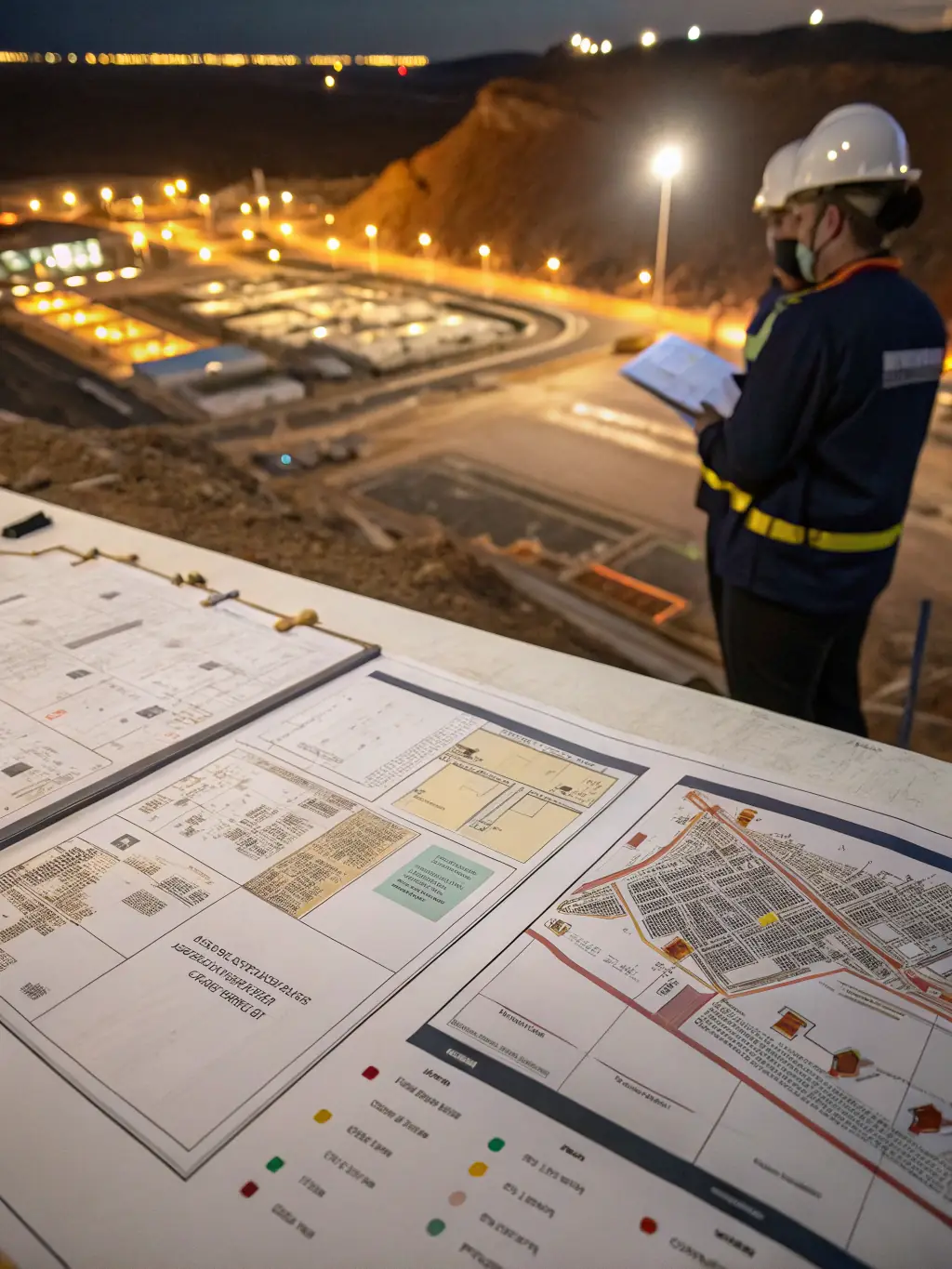
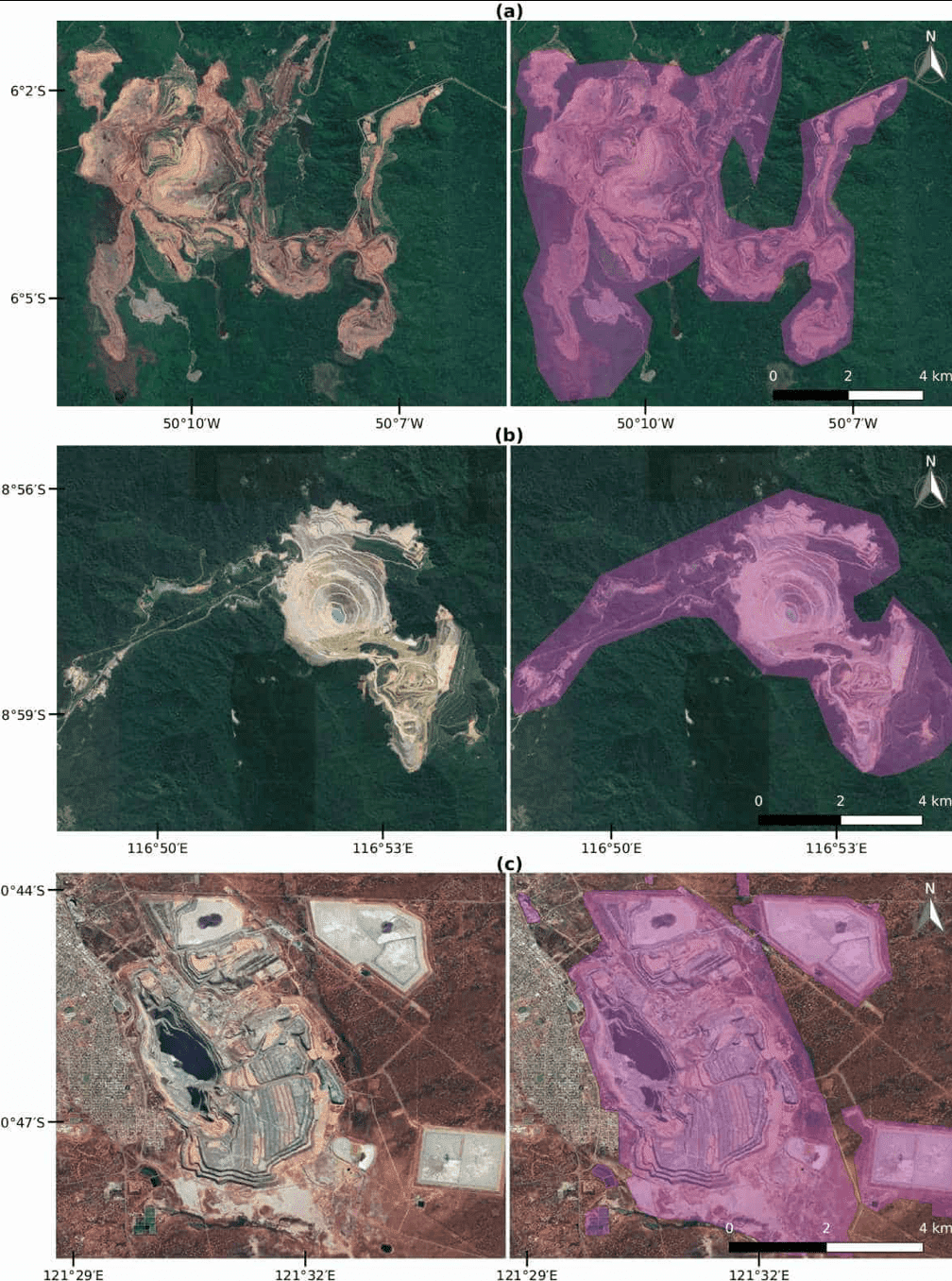
The operating environment spanned more than 15 assets across 4 continents—each with its own systems, processes, and operating models.
Significant investment had been made in digital platforms, planning tools, and operational systems. However, these capabilities remained fragmented across the portfolio. Data existed in volume, but not in alignment. Systems functioned, but not as an integrated whole.
As a result, performance outcomes were inconsistent. Decision-making was delayed, visibility was limited, and operational control varied significantly across assets.
The organisation had capability—but not cohesion.
The Challenge
The core issue was not technology—it was integration and execution.
Across the portfolio:
- Systems operated in isolation, limiting cross-functional alignment
- Planning and execution cycles were disconnected, reducing operational effectiveness
- Performance visibility was inconsistent, restricting proactive decision-making
- Downtime and inefficiencies persisted, despite available data and tools
- Execution discipline varied across assets, impacting overall performance
This created a structural gap between what the organisation could achieve and what it was actually delivering.
At scale, this translated into lost efficiency, reduced control, and unrealised value across the portfolio.
Strategic Approach
A fully integrated operational and digital transformation was implemented—designed to align systems, processes, and decision-making into a single, coherent execution framework.
The approach was built around three integrated pillars:
1. System & Data Integration
- Consolidation and alignment of data across operational, financial, and planning systems
- Establishment of consistent data structures and reporting standards
- Creation of unified visibility across assets and functions
2. Integrated Planning & Operating Model
- Alignment of production, maintenance, and financial planning cycles
- Standardisation of operating rhythms across all assets
- Integration of short-, medium-, and long-term planning into a single framework
3. Execution Control & Decision Discipline
- Implementation of real-time performance monitoring and control systems
- Introduction of structured decision-making frameworks
- Strengthening of accountability across leadership and operational teams
This transformed the organisation from a collection of independent operations into an integrated, performance-driven system.
Execution
Execution focused on embedding integration at both system and organisational levels—ensuring that transformation translated into sustained performance improvement.
Key execution elements included:
- Deployment of integrated planning, reporting, and analytics systems across all assets
- Alignment of leadership and operational teams around a unified performance framework
- Standardisation of processes to reduce variability and improve consistency
- Continuous monitoring of performance metrics to enable real-time intervention
- Establishment of governance structures to sustain execution discipline
The transformation was not limited to system implementation—it redefined how the organisation operated, planned, and executed at scale.
Outcome
The transformation delivered measurable improvements across the global portfolio:
- Operational efficiency increased by 28%
- Reduction in downtime and performance variability across assets
- Significant improvement in real-time visibility and decision-making speed
- Strengthened execution control and performance discipline across operations
- Enhanced alignment between systems, processes, and operational outcomes
The organisation transitioned from fragmented capability to integrated execution—unlocking value across multiple assets and geographies.
Strategic Impact
This case demonstrates a fundamental principle in large-scale operations:
Digital capability does not create value in isolation.
Value is created when systems, processes, and decisions are fully aligned.
At scale, even small inefficiencies compound rapidly.
Conversely, integrated execution delivers exponential improvement across the portfolio.
Key Takeaway
Effective transformation requires more than technology deployment.
It requires:
- integration of systems, data, and processes
- alignment of planning and execution across all assets
- disciplined decision-making supported by real-time visibility
When these elements are aligned, organisations move from fragmented performance to controlled, efficient, and scalable execution.
Transform your business
Copyright © 2026 Sanodea Group. All rights reserved. Powered by Sanodea Innovations.