


Process visibility established
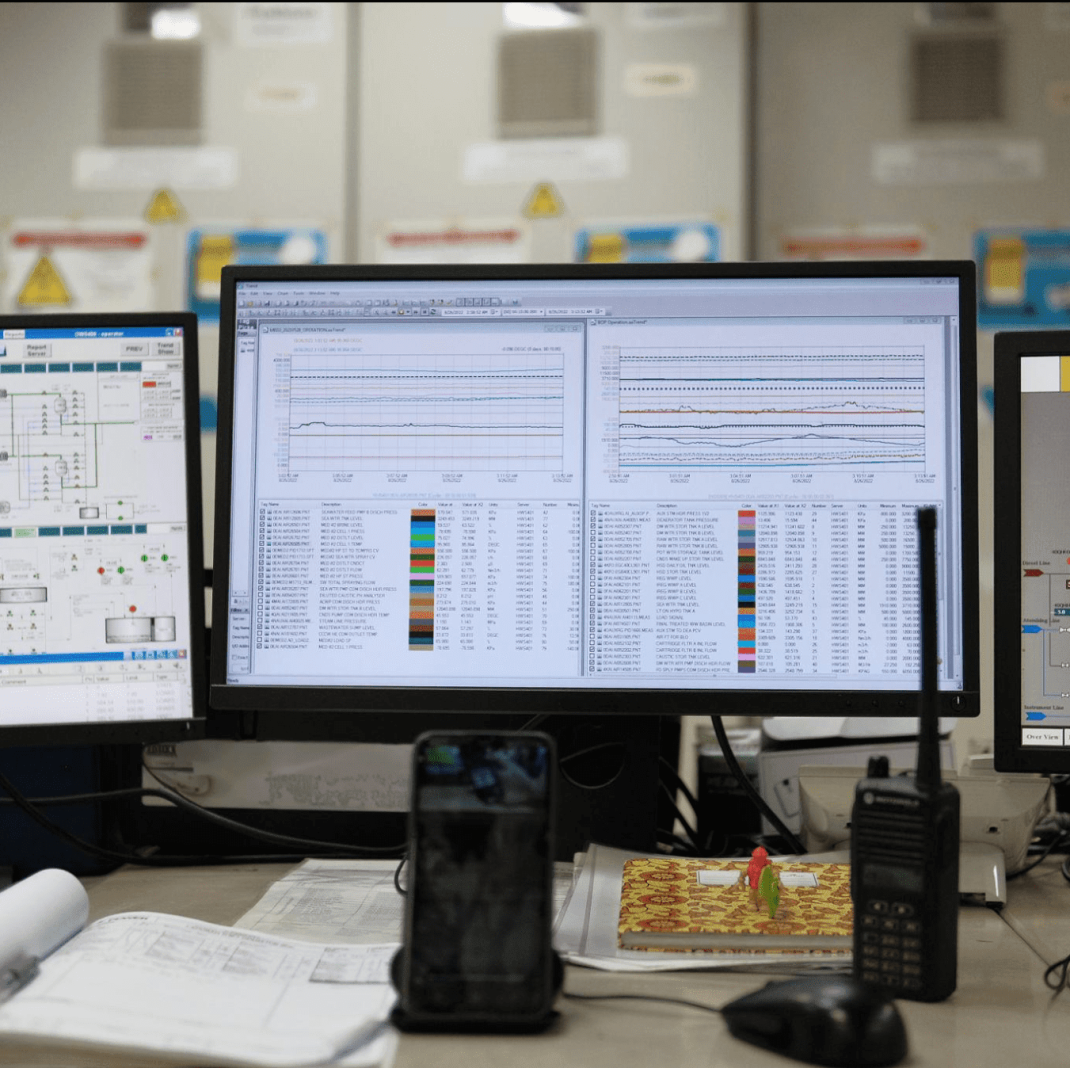
Visibility is established at the point of execution—where systems, platforms, and workflows previously operated in isolation. Once aligned, processes become measurable across functions, systems, and decision points. Execution is no longer distributed across disconnected platforms, but structured within a single, coherent operating environment. This enables: end-to-end visibility across processes and systems, consistent tracking of execution across workflows, and immediate identification of breakdowns at source. In most environments, this results in: 25–45% improvement in process transparency, 20–35% faster identification of execution bottlenecks, and 15–25% improvement in operational responsiveness across workflows. The focus is not on system deployment, but on establishing visibility where execution is coordinated.
Systems and platforms aligned
Fragmented systems are structured into a unified operating architecture—where platforms, applications, and workflows are aligned across functions and execution layers. Once integration is established, duplication is removed, inconsistencies are reduced, and processes operate with continuity across the organisation. This typically results in: 20–35% reduction in duplicated processes, 15–30% improvement in system utilisation, and 10–25% reduction in process inefficiencies across functions. In many environments, this creates the foundation for scalable execution—where systems enable, rather than constrain, performance. Value is unlocked by ensuring integration across the full operating architecture.

Execution coordinated and scalable
With visibility and system alignment in place, execution shifts from fragmented to coordinated. Processes are aligned across systems, workflows operate continuously, and execution is supported by a structured operating model. This enables: consistent delivery across functions, alignment between planning and execution, and the ability to scale operations without increasing complexity. In most cases, this leads to: 20–40% reduction in execution delays, 10–20% improvement in operational consistency, and 5–15% increase in scalable capacity across the organisation. The focus is not on systems as an output, but on enabling coordinated execution that can scale with discipline.