
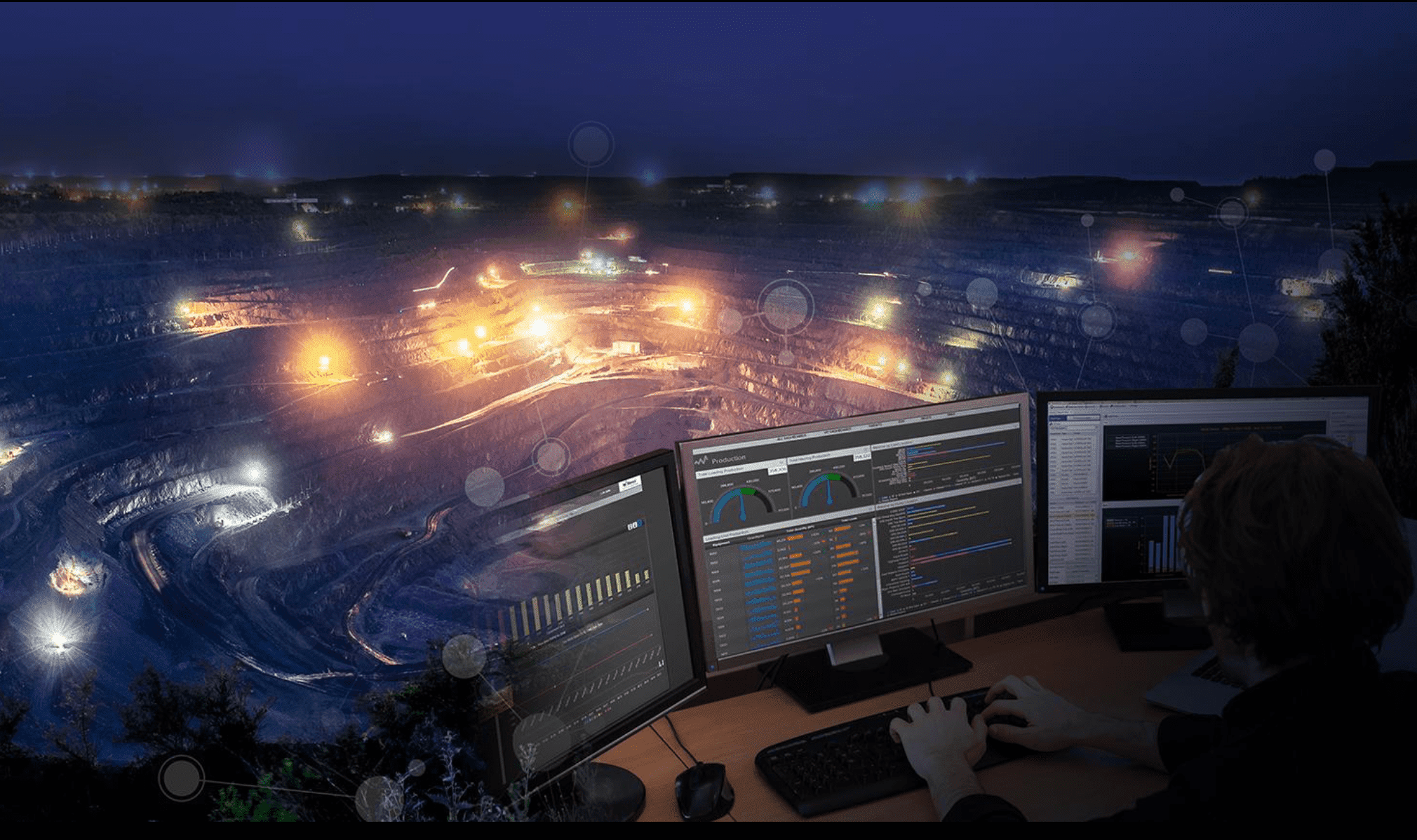

Operational visibility established
Visibility is restored at the point of execution—where data, systems, and workflows previously operated in isolation. Once aligned, operational performance becomes measurable across assets, processes, and decision points. Data is no longer distributed across disconnected platforms, but structured into a single, coherent view of the operation. This enables: real-time visibility across assets and systems, consistent performance tracking across workflows, and immediate identification of deviations at source.
In most environments, this results in: 30–50% reduction in data latency, 20–40% faster identification of operational deviations, and 15–25% improvement in response time across execution cycles.
The focus is not on data generation, but on establishing visibility where performance is managed.

Systems aligned and integrated
Fragmented systems are structured into a unified operating environment—where data flows continuously across platforms, functions, and reporting layers. Once integration is established, inconsistencies are removed, duplication is reduced, and information becomes reliable across the execution cycle.
This typically results in: 20–35% reduction in data inconsistencies, 15–30% improvement in reporting accuracy, and 10–25% increase in effective system utilisation across operations.
In many operations, this creates the foundation for stable execution—where systems support, rather than constrain, performance. Value is unlocked by ensuring continuity of data across the full operating environment.

Decision-making stabilised and controlled
With visibility and system alignment in place, decision-making shifts from reactive to structured. Information is available in real time, aligned to operational conditions, and supported by predictive insight.
This enables: earlier identification of operational risks, structured response to changing conditions, and alignment between planning, execution, and performance outcomes.
In most cases, this leads to: 20–40% reduction in decision lag, 10–20% improvement in operational consistency, and 5–15% reduction in performance variability across cycles.
The focus is not on analytics as an output, but on enabling decisions that sustain performance across the system.