
Performance loss does not occur through isolated failures.
It develops across interconnected operating layers—where inefficiencies, fragmentation, and misalignment begin to erode output.
As systems disconnect, visibility weakens and execution discipline declines.
Performance starts to drift from expected levels—often without immediate detection.
This creates conditions where activity continues, but performance is no longer fully realised.
These breakdowns are rarely visible at the point they occur.
They accumulate across processes, assets, and decision cycles—reducing throughput, increasing cost, and limiting operational effectiveness.
Performance is not lost through inactivity.
It is lost through inefficiency—when systems are misaligned, decisions are delayed, and execution fails to convert effort into measurable outcomes.
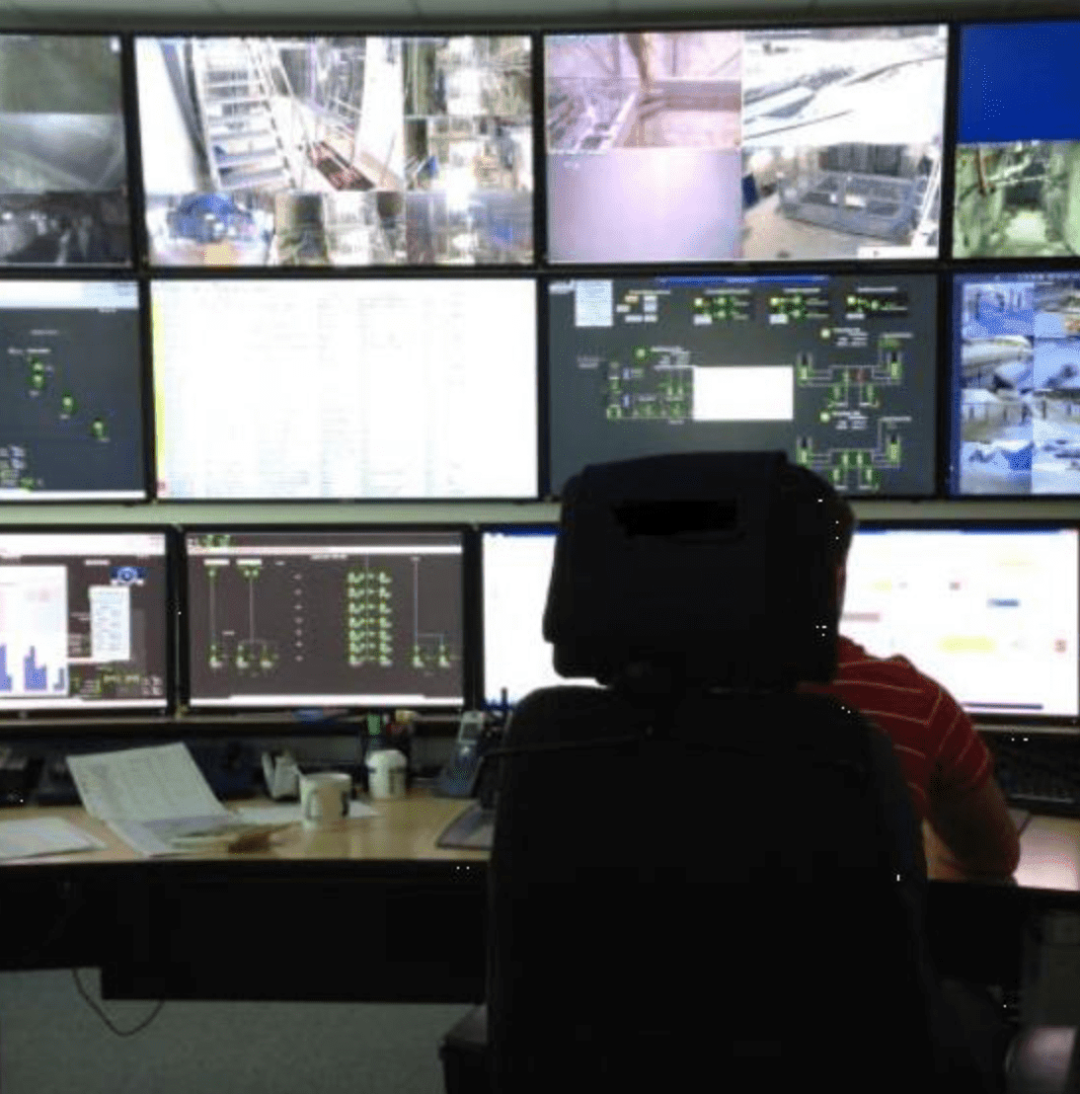
Hidden inefficiencies

Fragmented visibility
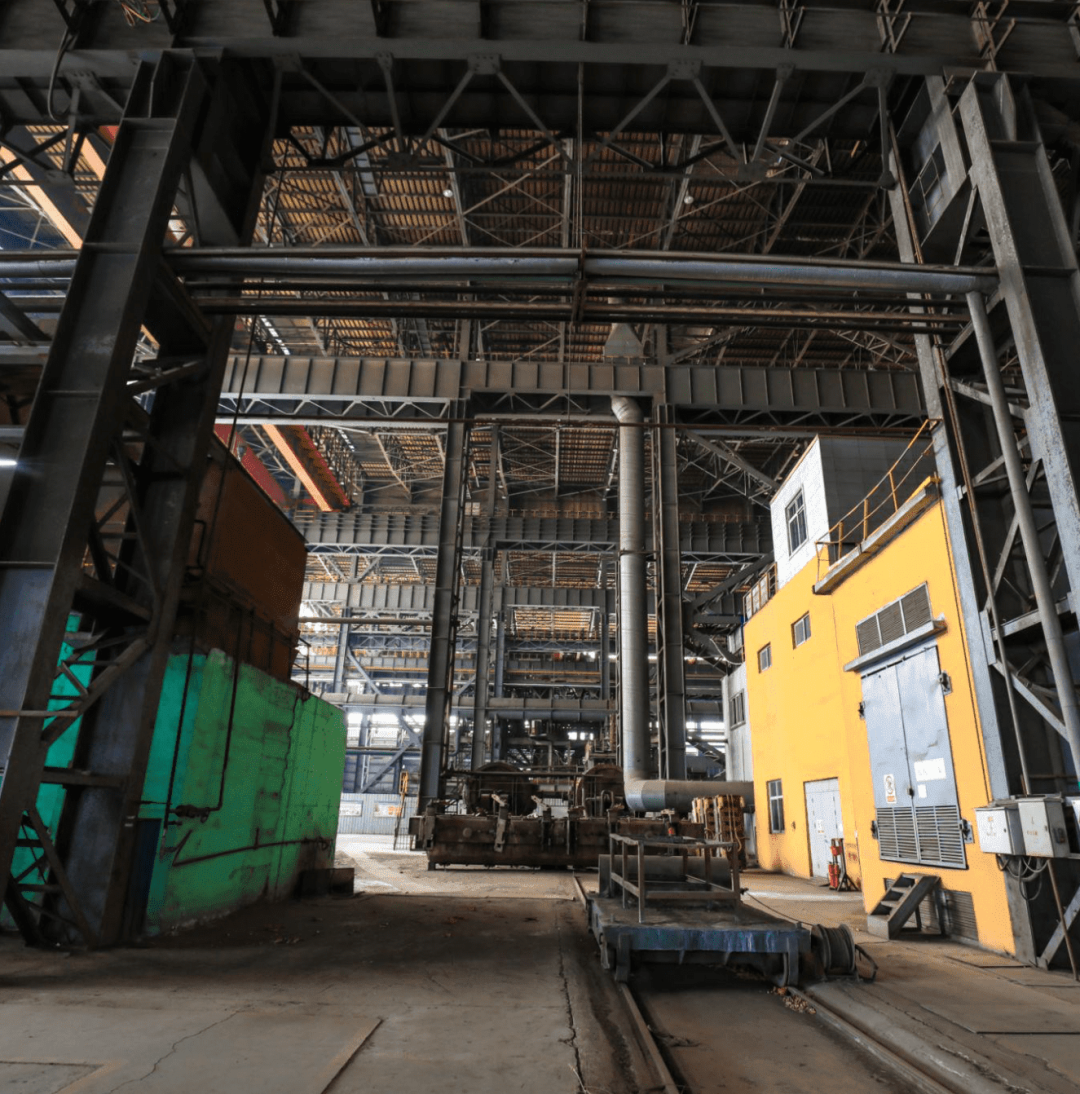
Misaligned cost structures

Lost operational
momentum
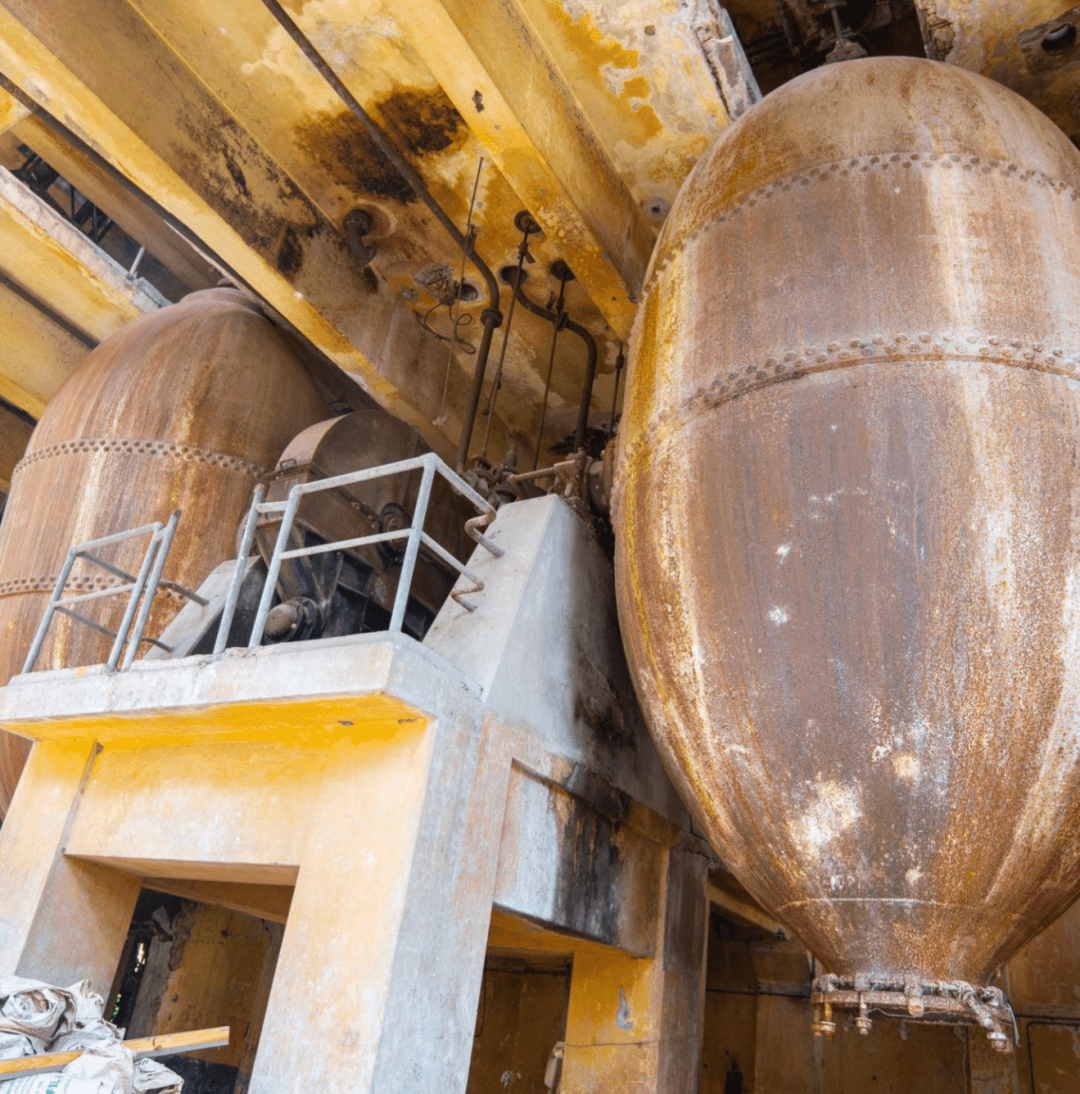
Underperforming assets
Performance recovery does not occur through broad improvement initiatives.
It is achieved by restoring control at the points where performance was previously lost—across execution, systems, and decision-making.
Once inefficiencies, fragmentation, and misalignment are isolated, performance becomes measurable.
This creates the conditions for targeted intervention—where actions are directly linked to output, cost, and utilisation.
Performance is not recovered through activity.
It is recovered through precision—removing constraints, restoring flow, and aligning execution with measurable outcomes.

Operational execution & recovery
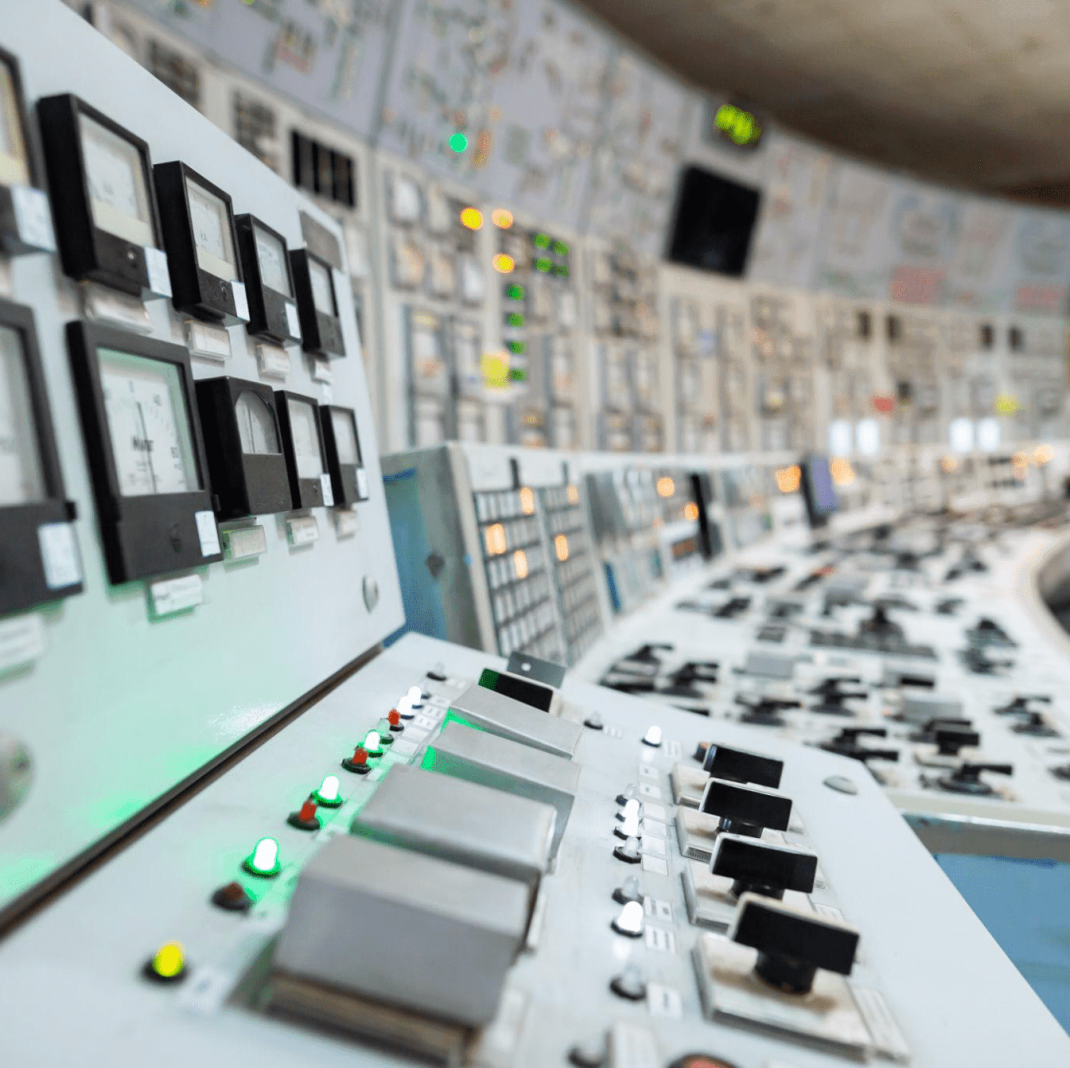
Systems integration & decision clarity